


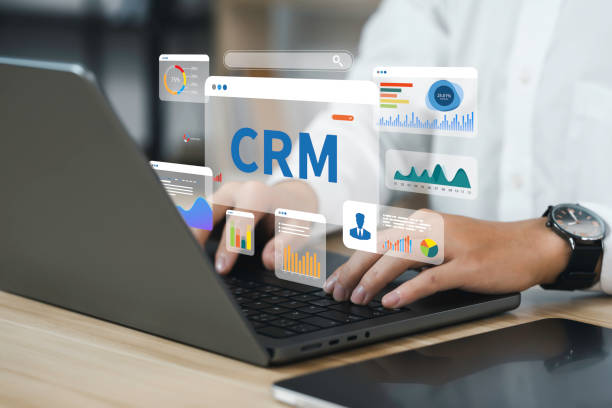
In today’s fast-paced digital economy, building strong customer relationships is more than a priority—it’s a necessity. Customer Relationship Management, plays a pivotal role. But what exactly is CRM, and how does it work?
Understanding CRM
CRM is a technology-driven system designed to manage all interactions between a business and its customers. From customer data management and contact management to sales automation and marketing automation, CRM software helps businesses streamline processes and foster lasting relationships.
Key Components
- Customer Data Management
Organizes and stores detailed customer information in one place for easy access and analysis. - Sales Automation & Sales Pipeline Management
Automates repetitive sales tasks and visualizes the sales journey for better conversion rates. - Marketing Automation
Personalizes campaigns based on customer behavior and preferences. - Lead Management
Tracks and nurtures prospects through the funnel efficiently. - Customer Support Tools
Enhances service delivery with integrated support systems to boost the customer experience.
How CRM Works
CRM software operates by collecting and organizing customer data across all touchpoints—sales, marketing, support, and more. It integrates with various platforms to enable workflow automation, CRM reporting, and CRM analytics for better decision-making.
Modern CRM systems often include mobile access, cloud solutions, and support for integration with other business tools. Whether you’re using enterprise systems, B2B solutions, or SMB software, the goal remains the same: better relationships and smarter business decisions.
Business Benefits of CRM
- Improved customer engagement
- Effective account management
- Accurate sales forecasting
- Strengthened customer retention strategies
- Seamless personalized customer interactions
Is CRM Right for Your Business?
CRM isn’t just for large enterprises. From startups to SMBs, any business can benefit from client relationship tools that centralize communication, automate tasks, and enhance overall performance.
Final Thoughts
CRM is more than a tool—it’s a strategy that empowers businesses to grow. Whether you’re managing thousands of leads or a handful of loyal customers, CRM helps you stay organized, responsive, and customer-focused.
Ready to implement a CRM system tailored to your business needs? Start by evaluating your goals and choosing the right platform—your future customer success depends on it.
Types of CRM Systems
There are various types of CRM systems available, each tailored to specific business needs:
1. Operational
Focuses on automating and improving sales, marketing, and customer service processes. This includes tools for sales pipeline management, lead nurturing, and workflow automation.
2. Analytical
Uses CRM analytics, reporting, and data mining to provide insights into customer behavior. It helps with sales forecasting and identifying trends to support strategic planning.
3. Collaborative
Improves communication across departments and with external stakeholders. It integrates customer engagement platforms, support tools, and client relationship tools to provide a unified customer experience.
Choosing the Right CRM Software
When selecting a platform, consider:
- Cloud Solutions: Flexible, scalable, and accessible from anywhere—perfect for remote teams.
- Mobile : Essential for sales reps on the go who need real-time access to data.
- Enterprise CRM Systems vs. SMB CRM Software: Larger enterprises may need custom workflows and integration capabilities, while SMBs benefit from simplified, budget-friendly solutions.
- Integration: Your CRM should easily connect with your email platforms, marketing tools, and e-commerce systems to ensure smooth data flow.
Across Industries
CRM is not limited to one type of business or industry. It plays a critical role across various sectors:
- Retail: Manage inventory, customer preferences, and loyalty programs.
- Healthcare: Track patient interactions and enhance service delivery.
- Real Estate: Use lead management and account management tools to close deals faster.
- B2B Enterprises: Leverage B2B solutions for long sales cycles and complex deals.
CRM Best Practices for Success
To make the most out of your investment:
- Train Your Team: Ensure your team is well-versed in using the CRM’s features effectively.
- Customize for Your Needs: Tailor workflows, dashboards, and reports to suit your business goals.
- Maintain Clean Data: Regularly update and validate data for accuracy in CRM analytics and reporting.
- Focus on User Adoption: Choose a user-friendly interface to boost usage across departments.
- Track Key Metrics: Use CRM reporting to monitor KPIs like response time, lead conversion, and customer satisfaction.
Future of CRM: Trends & Innovations
CRM systems are continuously evolving with emerging trends like:
- AI-Powered Personalization: Deliver personalized customer interactions based on predictive analytics.
- Voice & Chat Integration: CRM tools now include voice assistants and chatbots for better customer support.
- 360-Degree Customer Views: Centralized data from multiple touchpoints to visualize the entire customer lifecycle management process.
Conclusion
In an increasingly competitive digital landscape, having a robust CRM system can be a game-changer for your business. From organizing contacts to automating marketing campaigns and analyzing customer data, empowers you to build stronger relationships and drive sustained growth.
Whether you’re a startup looking for a basic tool or an enterprise seeking a fully customizable solution, and can help you scale smarter and serve better.