

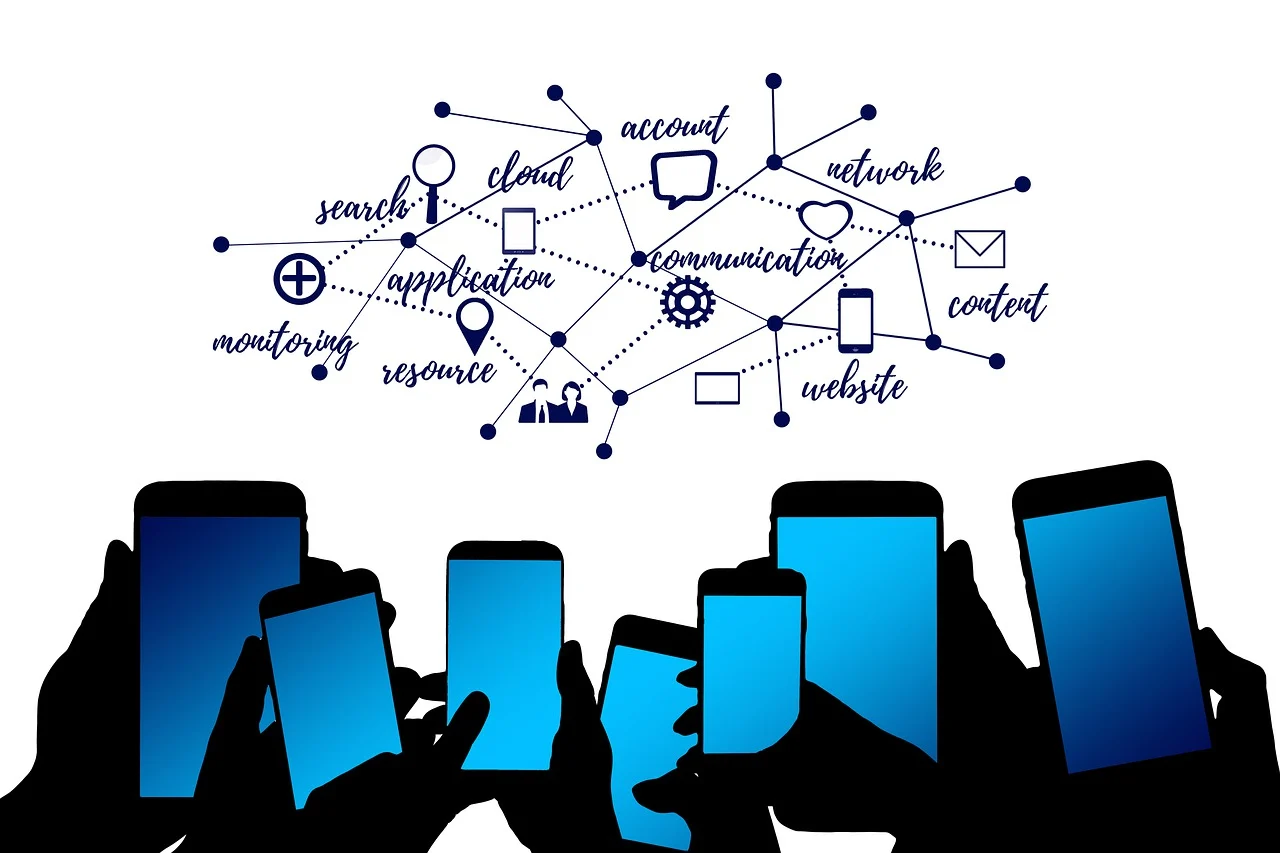
In today’s hyper-connected world, mobile marketing in digital marketing has become a game-changer. With billions of people relying on smartphones daily, businesses can no longer ignore the power of reaching customers directly through mobile devices. But what exactly is mobile marketing, and why does it play such a crucial role in digital marketing? Let’s break it down.
Table of Contents
ToggleWhat is Mobile Marketing in Digital Marketing?
Mobile marketing refers to the practice of promoting products, services, or brands through smartphone marketing and tablets. It uses channels like mobile advertising, SMS marketing, push notification marketing, in-app advertising, and mobile-friendly campaigns to engage users. In the context of digital marketing, it ensures that businesses reach customers anytime, anywhere.
Why is Mobile Marketing in digital marketing Important?
- Massive Reach – With over 6 billion smartphone users, mobile audience targeting is essential.
- Personalization – Businesses can deliver tailored mobile content marketing and personalized offers.
- Higher Engagement – Features like mobile engagement via apps, chats, and interactive ads increase brand loyalty.
- Convenience – Customers can instantly connect with businesses through apps, calls, and websites.
Key Mobile Marketing in digital marketing Strategies
1. Mobile App Marketing
Apps are a core part of mobile digital strategies. Brands use App Store Optimization (ASO), in-app advertising, and loyalty programs to drive mobile user acquisition and boost retention.
2. Mobile-First Marketing
Designing websites and campaigns with a mobile-first approach ensures seamless experiences across devices. Google also rewards mobile-friendly campaigns with better search rankings.
3. Location-Based Marketing
Using geotargeting, businesses can run mobile promotion techniques such as local deals and ads, driving mobile commerce marketing and offline store visits.
4. SMS & Push Notification Marketing
Instant communication through SMS marketing and push notifications keeps users engaged with offers, updates, and alerts.
5. Cross-Device Marketing
Consumers often switch between devices. With cross-device marketing, brands deliver consistent messages whether users are on mobile, desktop, or tablet.
Examples of Mobile Marketing in digital marketing in Action
- E-commerce brands use mobile commerce marketing to drive purchases through apps.
- Restaurants use location-based marketing to attract nearby customers.
- Fintech apps rely on mobile user acquisition campaigns to grow their customer base.
- Entertainment platforms run in-app advertising and mobile-friendly campaigns for maximum reach. contact for mobile marketing services in Digital marketing.
The Future of Mobile Marketing in Digital Marketing
With the rise of AI, mobile customer experience will continue to evolve. From personalized offers to voice search and AR-powered ads, mobile digital strategies will define the future of how brands connect with audiences.
1. AI-Powered Personalization
Artificial Intelligence (AI) will revolutionize mobile marketing strategies by analyzing user behavior in real time. Brands will deliver hyper-personalized ads, product recommendations, and mobile content marketing experiences tailored to individual preferences.
2. Voice Search Optimization
As voice assistants like Siri, Alexa, and Google Assistant grow in popularity, mobile-friendly campaigns must adapt to conversational queries. Businesses that optimize for voice search will capture a new wave of mobile users.
3. Augmented Reality (AR) & Immersive Ads
AR-powered in-app advertising will allow customers to “try before they buy,” whether it’s furniture in their living room or virtual try-ons for fashion and beauty products. This will enhance mobile customer experience and drive engagement.
4. 5G and Faster Mobile Commerce
With 5G, mobile commerce marketing will become faster, smoother, and more interactive. This speed will encourage consumers to shop on the go and interact more with mobile promotion techniques like live-stream shopping.
5. Location-Based & Contextual Marketing
Future campaigns will refine location-based marketing by combining GPS data with contextual signals (like weather, time of day, and behavior) to deliver highly relevant offers.
6. Cross-Device Consistency
As users seamlessly switch between mobile, tablet, and desktop, cross-device marketing will ensure consistent brand messaging and smooth customer journeys.
7. Enhanced Data Privacy & Trust
With stricter privacy laws (GDPR, CCPA) and user concerns, the future of mobile digital strategies will rely heavily on transparent data usage and building consumer trust.
Conclusion
Mobile marketing in digital marketing is no longer optional—it’s essential. From mobile app marketing and SMS marketing to location-based marketing and cross-device strategies, businesses that embrace mobile-first marketing will lead the way. The key is to deliver seamless, personalized, and engaging mobile customer experiences that match user expectations.